
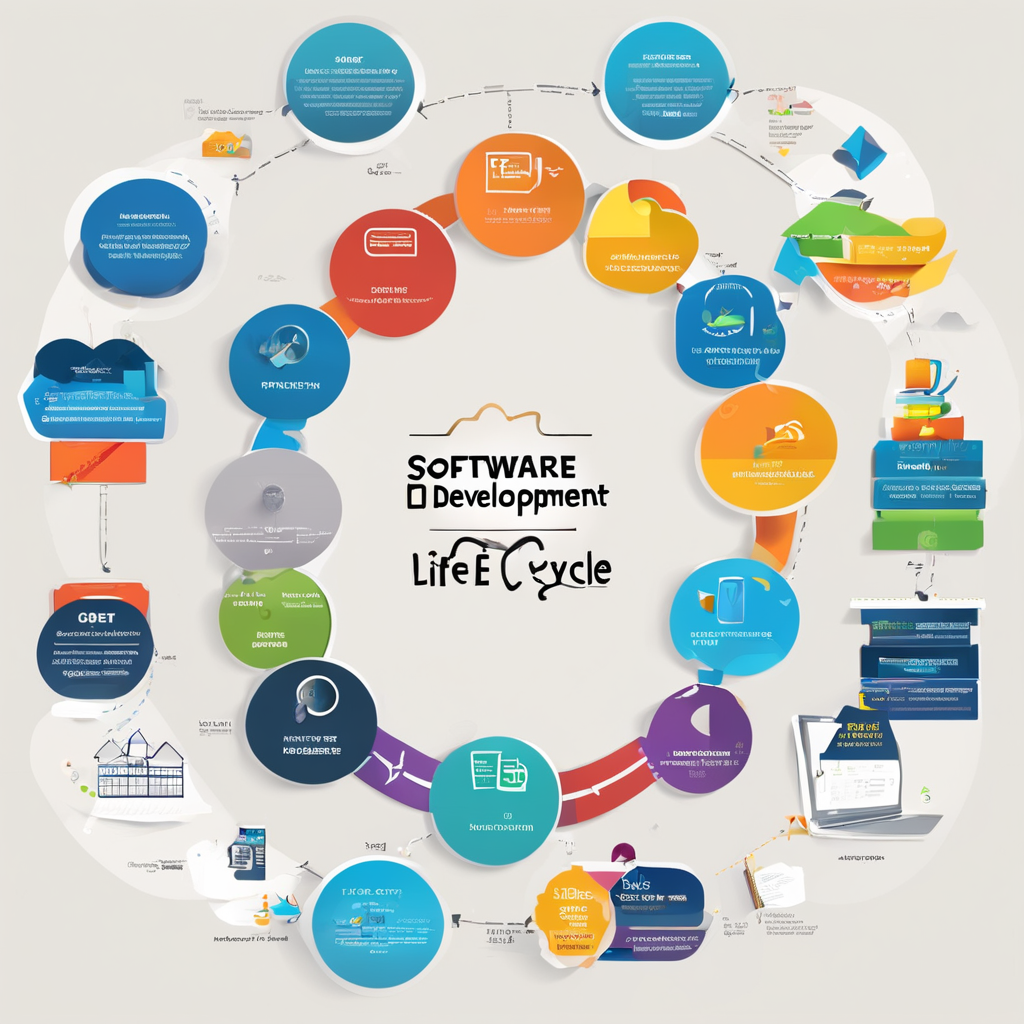
Software development life cycle, often referred to as SDLC, is a crucial process in the creation of software applications. It encompasses a series of steps that guide developers from the initial concept to the final product delivery. Each phase in the software development life cycle plays a vital role in ensuring the quality, functionality, and efficiency of the software being developed. Let’s delve into the intricacies of the software development life cycle and explore how it shapes the world of technology.
The first phase of the software development life cycle is the planning stage. This is where the project requirements are gathered, and the scope of the software is defined. Stakeholders collaborate to establish a clear roadmap for the project, setting goals, timelines, and deliverables. Think of this phase as laying the groundwork for the entire development process, much like architects planning the blueprint for a building before construction begins.
Once the planning stage is complete, the next phase is analysis. During this phase, the development team conducts a comprehensive analysis of the project requirements, user needs, and technical specifications. It’s akin to conducting thorough research and gathering all the necessary materials before embarking on a creative endeavor. This phase sets the foundation for the actual development work that follows.
With the analysis phase providing a solid framework, the design phase comes into play. Here, developers create a detailed design of the software based on the requirements and specifications defined earlier. This phase is where the software starts to take shape visually, much like an artist sketching the outline of a painting before filling in the colors and details. Designers focus on creating an intuitive user interface and a robust architecture that will support the software’s functionality.
Following the design phase is development, where the actual coding and programming of the software occur. Developers write the code according to the design specifications, bringing the software to life line by line. This phase is the heart of the software development life cycle, where creativity meets technical expertise to transform concepts into tangible products. It’s a dynamic process that requires precision, collaboration, and problem-solving skills to overcome challenges that may arise during coding.
Once the development phase is complete, the software undergoes testing and quality assurance. This phase is crucial for identifying and fixing any bugs, errors, or performance issues in the software. Testers meticulously evaluate the software against the defined requirements, ensuring that it functions as intended and meets the expectations of end-users. Think of this phase as a quality control checkpoint, where the software is refined and polished to deliver a seamless user experience.
After thorough testing and quality assurance, the software is ready for deployment. This phase involves releasing the software to the end-users or clients, making it accessible for its intended purpose. Deployment requires careful planning and coordination to ensure a smooth transition from development to production. Developers work closely with operations teams to deploy the software effectively and provide support during the initial rollout phase.
Once the software is deployed, the focus shifts to maintenance and support. This phase involves monitoring the software for any issues, implementing updates or patches, and providing ongoing support to users. It’s essential to address any issues promptly and proactively to ensure the software’s continued functionality and performance. Maintenance is an ongoing process that helps optimize the software’s lifespan and user satisfaction.
In conclusion, the software development life cycle is a structured and iterative process that guides developers through the creation of software applications. Each phase in the SDLC plays a crucial role in shaping the final product, from planning and analysis to design, development, testing, deployment, and maintenance. By following a systematic approach to software development, organizations can ensure the quality, efficiency, and success of their software projects. Embracing the software development life cycle is key to delivering innovative solutions that meet the evolving needs of users in today’s digital landscape.